
Find HEMA Clubs Near You
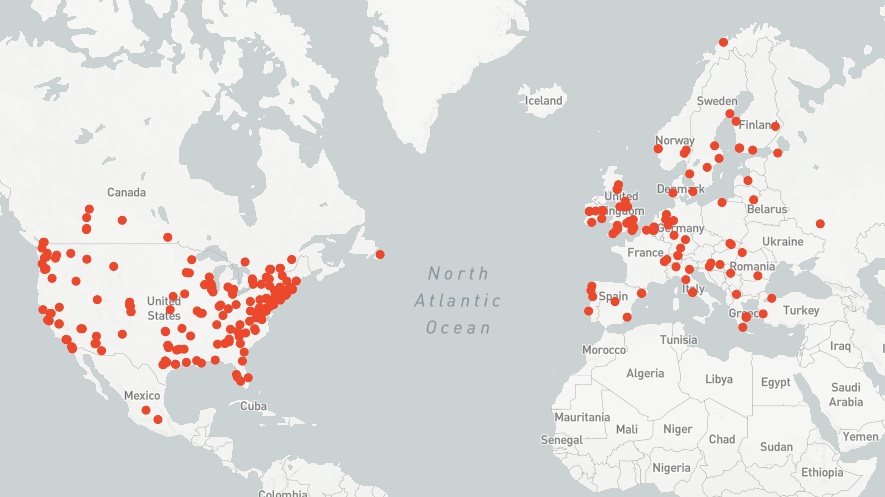
Training and researching with like-minded people is invaluable to your growth as a fencer and an artist. Here you can find clubs, schools, gyms, and even just people near you who want to learn.
New to HEMA?
It's hard to know where to start. Let us help.
Did you know that HEMA isn't comprised of a single martial art, rather multiple arts through the ages?
Rapier from the renaissance. Sword and Buckler from the middle ages. Military Saber from the 18th & 19th centuries. The list goes on and on.
Common Questions: How do I know what I'm interested in? What are some places online where I can learn? What kind of equipment is out there? What does committing to study HEMA look like? How can I start and grow my club?
Upcoming HEMA Workshops & Tournaments
Interested in checking out some HEMA tournaments or workshops? Our events calendar has links to upcoming HEMA events across the world. Not all events are HEMAA sponsored or affiliated.
HEMAA Supported Projects
The HEMA Alliance isn’t just for insurance - your membership allows us to sponsor and support projects that benefit the whole HEMA Community.

Wiktenauer is the largest library of Historical European Martial Arts manuscripts and books in the world.
The entire repository is free to the public.

HEMA Scorecard is an open source platform designed to help tournament managers organize and execute their events, all for free.
Instructor Certification
A rising tide lifts all boats.
Instructor certification is not just a valuable tool to let your students know that you are a legitimate teacher of western martial arts, but it also allows you to partake in the shared, collective learning of our curriculum council and high standards to become a more effective instructor.
Event Support

The HEMAA provides North American events with funds and services.
Discounts From Top Vendors
The HEMAA partners with the top vendors in HEMA to provide our members with discounts
Interested in getting these discounts? Become a member today!


Are you a vendor? If you're interested in the partnership program, please email: gc@hemaalliance.com
Official Documents & Member Resources
Active HEMA Alliance members can find all the content related to safety policy, benefits, and documentation here. You can also register your events as official activities.